It is a common misconception that it is normal for cats to vomit. The last post investigated dietary and feeding strategies that can help reduce vomiting and make cats more comfortable.
Sometimes, there is an emotional component to gastrointestinal distress. Many of us are familiar with the “butterflies in the stomach” preceding a stressful event. Emotional stress can upset your stomach, and an irritated gut can send distress signals back to your brain (Reference 1). Like people, cats experience anxiety which can affect their GI tract. Here are some tips to help a vomiting cat manage anxiety.
Environmental Tactics to Manage The Vomiting Cat
MEMO stands for Multimodal Environmental Modification, a therapeutic framework pioneered by Dr. Tony Buffington of Ohio State University to aid in the treatment of cats suffering from Lower Urinary Tract Syndrome and from “Pandora syndrome”.
Pandora syndrome refers to cats suffering from multiple medical ailments that do not resolve with appropriate medical treatment. Instead, the symptoms are chronic, waxing and waning in response to environmental stressors (see Reference 2).
MEMO addresses the environmental needs of cats, dividing these into five categories (Reference 3).
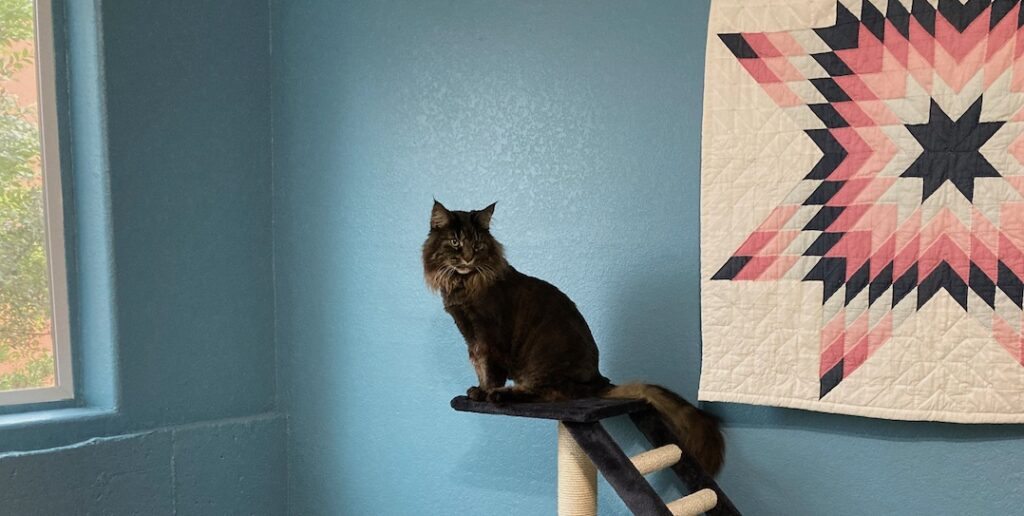
- physical resources – elevated perches, multiple scratching posts, hiding places
- nutritional – multiple, separate food and water stations out of sight of other pets
- elimination – multiple, separate litter boxes in quiet areas
- social – consistent routines and predictable interactions with humans and other pets
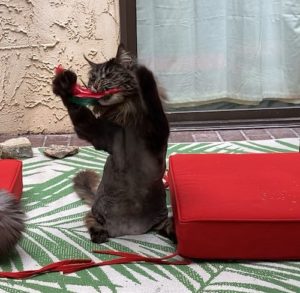
- behavioral – opportunities for predatory play and foraging for food
Adam Rudinsky, a small animal internal medicine specialist at Ohio State University, recommends implementing MEMO in addition to medical treatment to help cats with chronic vomiting (Reference 3).
Environmental tactics to manage the vomiting cat – Did you get the memo?
Physical Resources
Having quiet places to retreat to can help a cat manage fear, anxiety and stress. Multiple, separate feeding stations, litter boxes and resting places in secluded areas allows a cat to avoid harassment by other pets while eating, eliminating and snoozing. A little “alone time” sometimes works wonders.
Nutritional and Social
Feeding smaller meals more frequently (see “Managing the Vomiting Cat“) means we will be meal feeding our cat, not leaving out a big bowl of kibble for them to graze on. Meal feeding respects the physiology of the cat, who has evolved to eat small prey and has a relatively small stomach. Wild cats typically eat alone and spend most of their waking hours hunting and foraging for food (see “Why Meal Feed your Cat”).
Meal feeding brings social elements into feeding the cat:
- Predictable human-cat interactions as the human gives the cat food
- Establishment of routines involving feeding
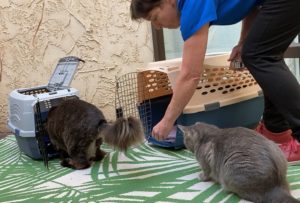
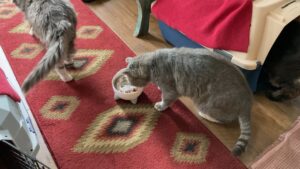
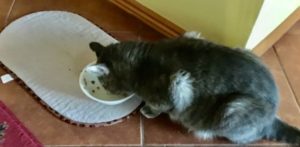
- In homes with more than one cat, each cat must feed at their own feeding station. These stations should be separated to keep cats from “stealing” each other’s food and prevent timid cats from gorging, eating their food too quickly and vomiting (see “Why Separate Cats when Feeding“).
Nutritional, Social and Behavioral
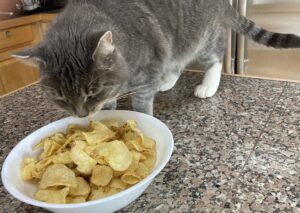
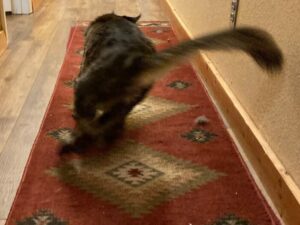
Although canned foods provide a more rapid transit through the stomach, dry food can still be part of the vomiting cat’s diet. A fun game to play with your cat is to toss them a meal of dry food. This gives a cat the opportunity to listen for, chase and pounce on their food.
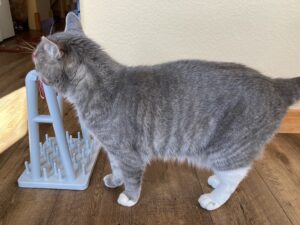
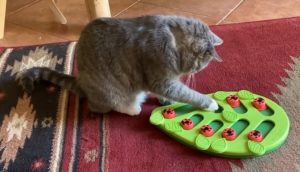
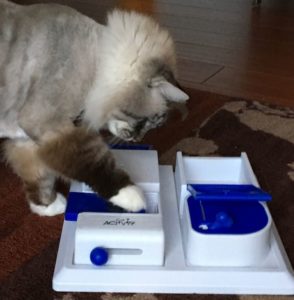
Feeding our cats smaller meals more frequently gives us opportunities to allow the cats to engage in foraging behaviors with food puzzles or timed feeders placed around the house. Food puzzles can accommodate both canned and dry foods (see “Cats at Work: Using Food Puzzles“).
MEMO and the Cat with Hairballs
Cats that live indoors have a lot more time on their paws than their outdoor counterparts. Indoor cats tend to spend more time grooming and ingesting fur. MEMO can help reduce stress and boredom that gives rise to excessive grooming in house cats and the accompanying hairballs.
Vomiting is commonly reported by feline caregivers. Per AI generated searches, it is considered normal for cats to vomit once or twice a month. Such vomiting is not “harmless” and steps should be taken to find the medical cause. Even if there is a clear medical cause, treatment can include dietary and environmental tactics to manage the vomiting cat, giving them a better quality of life.
references
- “The Gut-Brain Connection”, July 18,2023. Harvard Health Publishing. https://www.health.harvard.edu/diseases-and-conditions/the-gut-brain-connection. Viewed 8/8/2026.
- Meyer, Phyllis. “Treating Pandora Syndrome in Cats: The environment”, January 14, 2024. https://www.felinepurrspective.com/treating-pandora-syndrome-in-cats-the-environment/
- Herron ME, Buffington CA. “Environmental enrichment for indoor cats”. Compend Contin Educ Vet. 2010 Dec;32(12):E4. PMID: 21882164; PMCID: PMC3922041.
- Rudinsky, Adam. “Approach to the Vomiting Cat: Causes, Treatment, and Management”. Webinar. https://catvets.com/events/approach-to-the-vomiting-cat-causes-treatment-and-management/
Want to keep up with the world of cats? Subscribe to The Feline Purrspective!
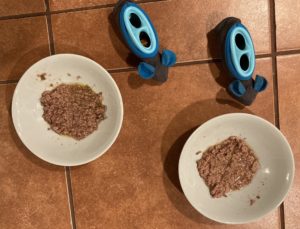
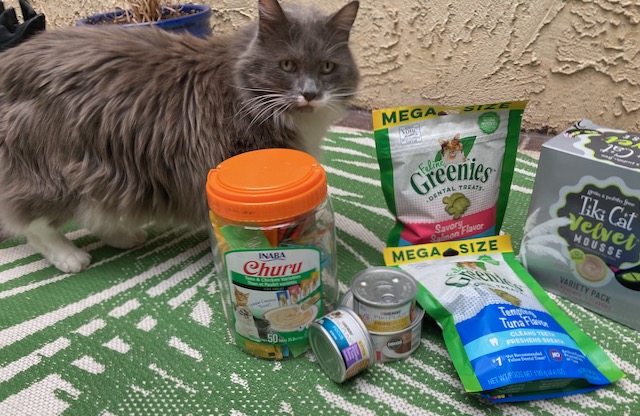
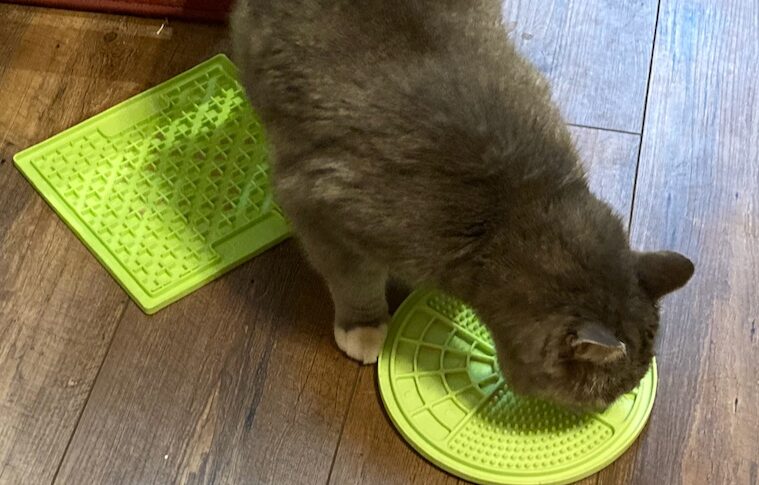
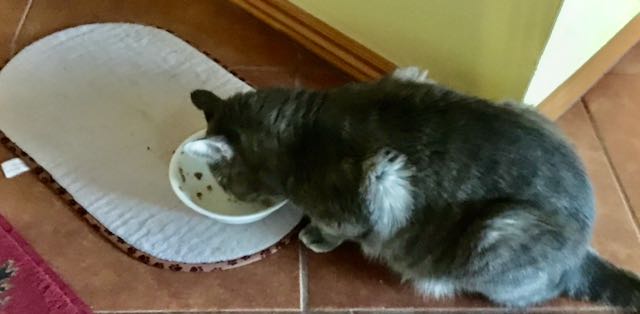
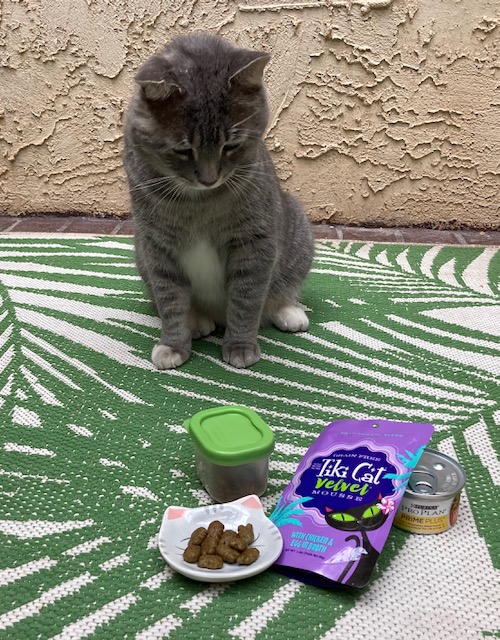
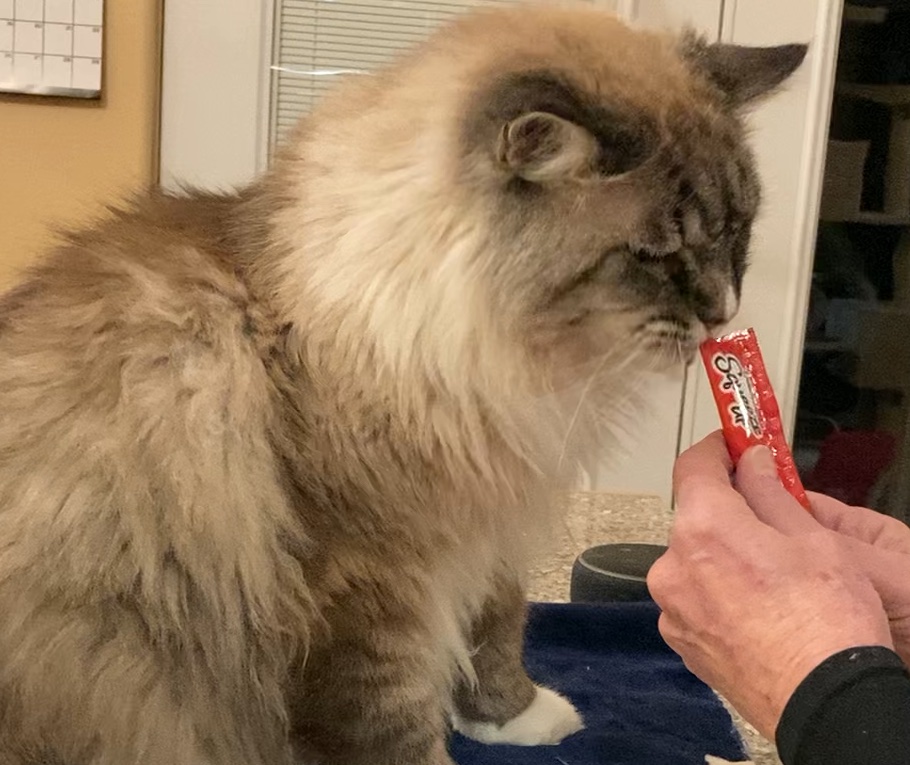 Eating is a positive experience for healthy animals. Two neurotransmitters released while eating are dopamine and serotonin. Dopamine is associated with feelings of reward and motivation; serotonin with feelings of happiness and calmness. Thus, food is one of the ways we can induce a positive emotional state in a healthy cat.
 food and environmental enrichment
 Food and your cat’s mental health: behavior modification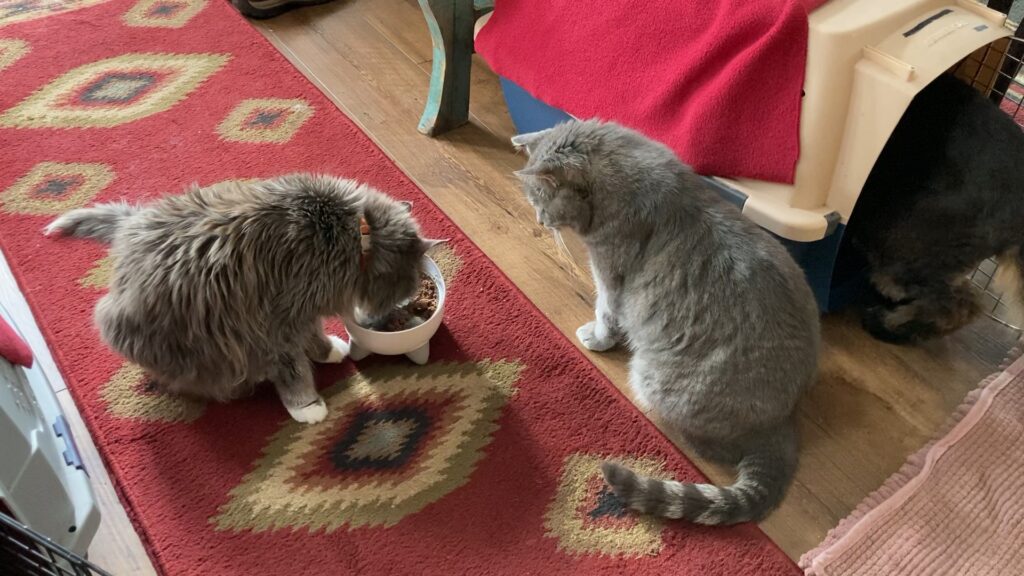

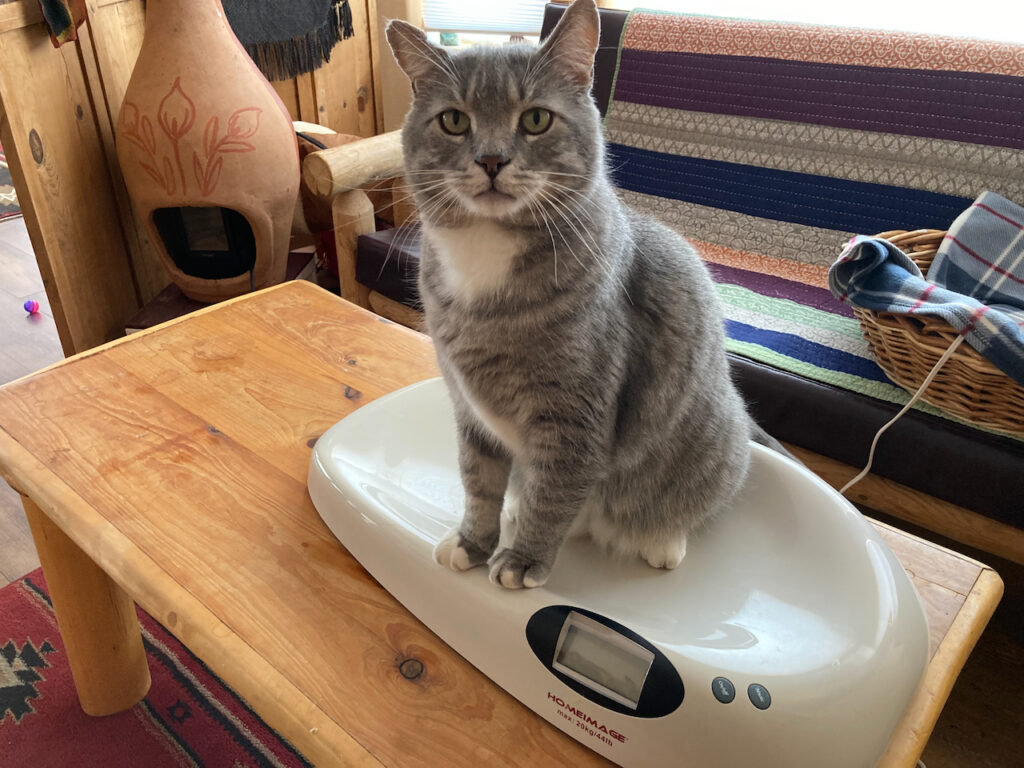 If your cat consumes more calories than she burns, she will gain weight. So, how many calories should your cat eat in day to maintain a healthy body weight?