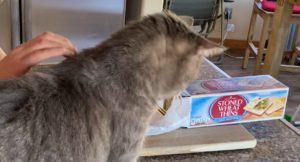
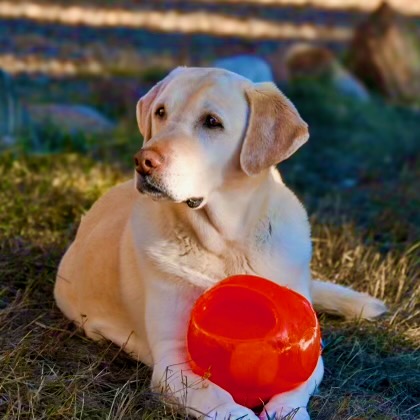
Dogs and cats can learn by association, just like people. The animal or person links two unrelated events or stimuli together. Learning language involves linking a word or sound with various stimuli. Multiple studies have shown that cats and dogs link specific words with actions or outcomes.
talk to your dog or cat – share information with them
This week we said goodbye to my sister’s dog of 10 years. I was thinking back on his life and I recalled an instance when my sister and I went hiking with Bailey. The trailhead was remote and accessed by a dirt road that was drivable but by no means smooth. There were numerous lumpy sections of road where the car shuddered and bounced around a bit. Poor Bailey did not enjoy these sections and crouched down, whimpering when we encountered them.
I realized that we humans could look ahead and tell when the road would become rough and be prepared for it. Bailey in the back of the car couldn’t do this. I was currently taking a class in animal training from Kayce Cover. Kayce has developed the SATS (Synalia Training Systems) method. SATS focuses on communicating with animals and enabling them to manage their own emotions. So, I tried one of the training methods I learned in class that I use with my cats – naming the event and telling the animal (Bailey) when it was going to happen (Reference 2).
I narrated the drive, remarking each time the road deteriorated, “It’s getting bumpy”. After a few bumps, Bailey stopped whimpering and seemed more relaxed as long as I let him know when things were getting rough. We had a great hike and I repeated the road condition narrative on the way home – there was no more whimpering.
Dogs and cats learn by association, just like people. After a few trials, Bailey began to associate the word “bumpy” with the sensation of being jostled around in the car. Knowing what was going to happen helped him to cope with the sensation.
When we arrived at the house, Bailey disappeared briefly, returning with his favorite toy, which he presented to me. This exchange changed my relationship with him. Whenever I would see him afterwards, he seemed to want me to talk to him.
I have taken this to heart – when I am driving one of my cats around in the car, I try to narrate the journey, letting them know when we STOP and GO; when we turn LEFT or RIGHT. If nothing else, it helps keep me focused on driving the car!
I also use this vocabulary with my cats when they are leashed or just in the house – STOP tells them to be still; GO lets them know that they can move; RIGHT and LEFT directs their path (and maybe find that treat I dropped).
So, talk to your dog or cat. Share information with them – it will strengthen your bond.
references
- Meyer, Phyllis. “if You Don’t Talk to Your Cat, Who Will?”. August 25, 2024. https://www.felinepurrspective.com/if-you-dont-talk-to-your-cat-who-will
- Cover, Kayce. “Talk to Me! A communication guide for people living and working with animals”. ©2000 Synalia Training Systems. 1719 D Kingston Avenue, Norfolk, Va 23503, www.synalia.com
Want to keep up with the world of cats? Subscribe to The Feline Purrspective!
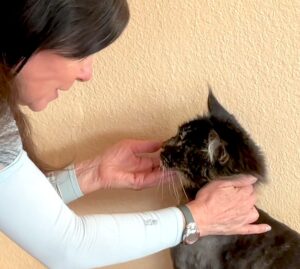 Eye contact is an important part of communication for many people. Face-to-face meetings are thought to be more productive – participants are able to take note of the nuances of facial body language.
 the slow blink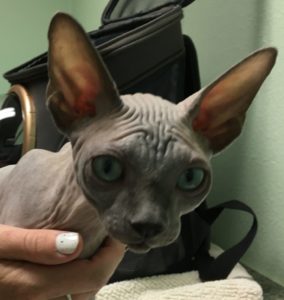
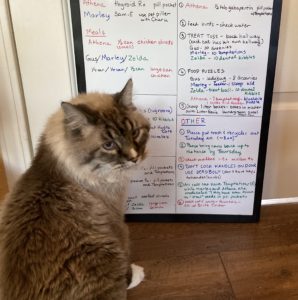
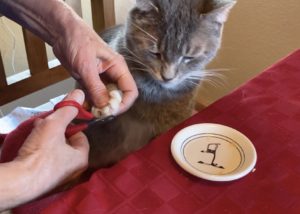
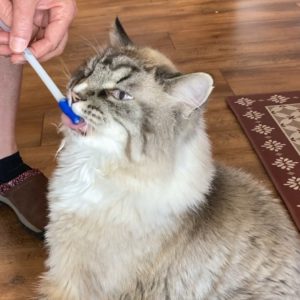 Mix up the routine from time to time – change is part of living. For example, in the medicating routine, you may wish to introduce and practice other ways of offering a pill to your cat – say with a pet piller or offering a “dummy pill” in a squeeze up treat.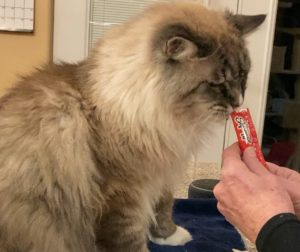
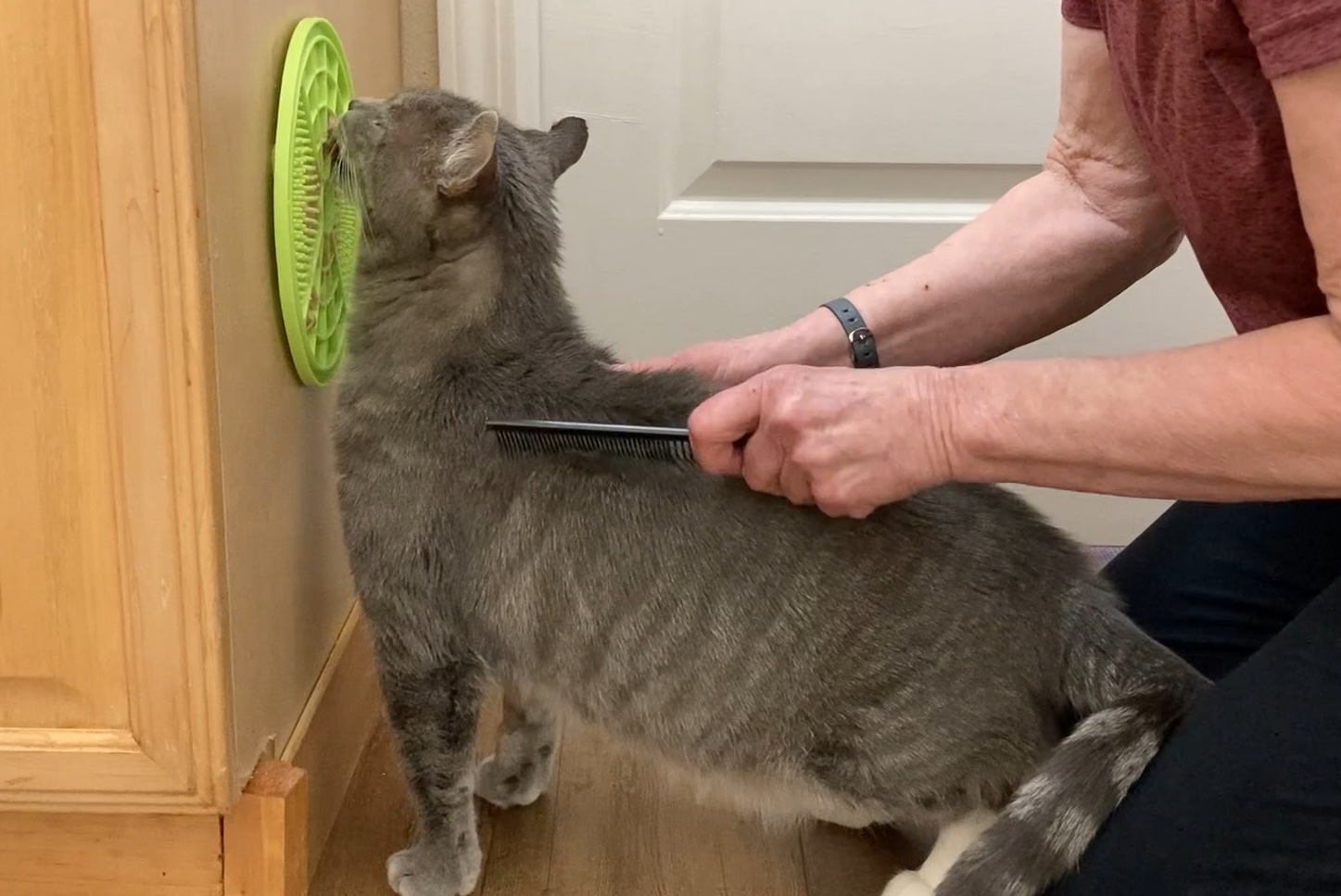
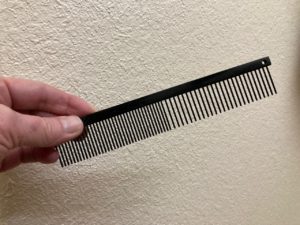

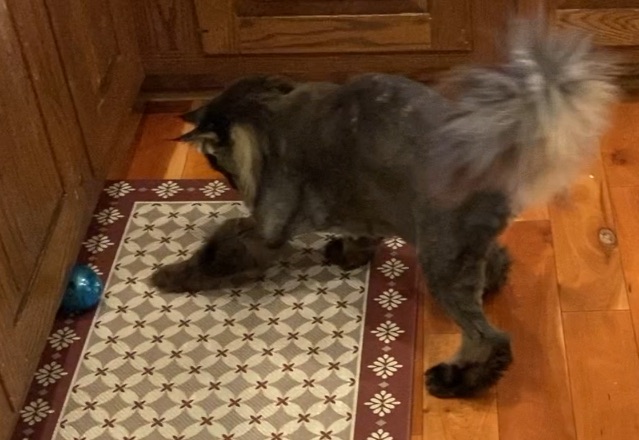
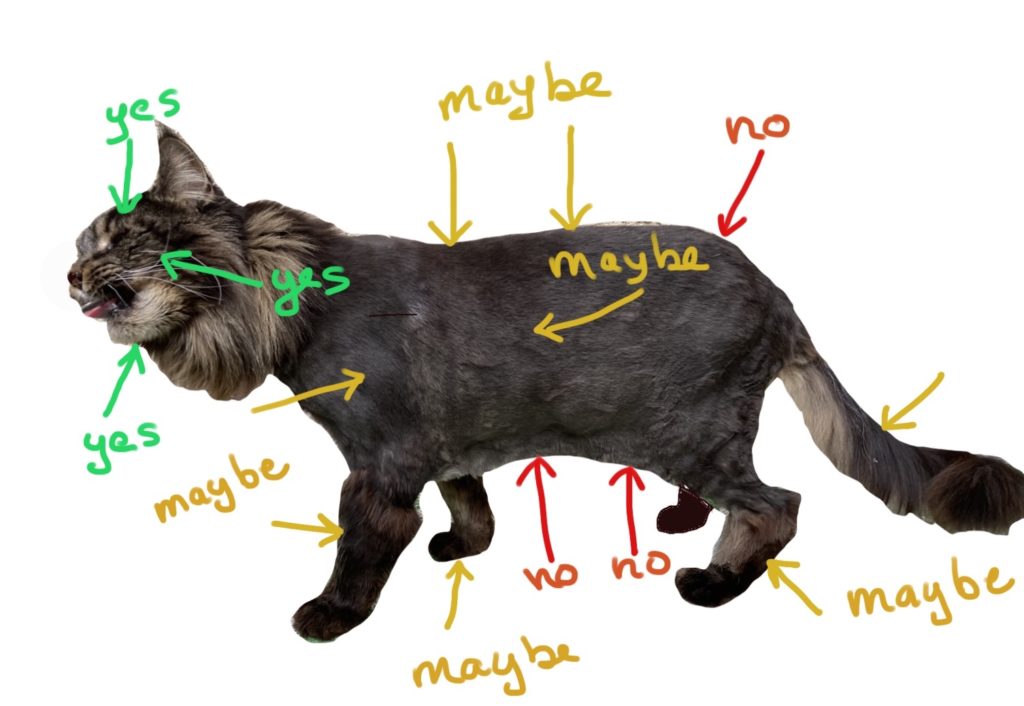



 Follow the CAT guidelines when interacting with cats for a safer, more enjoyable encounter!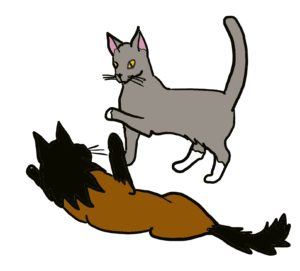
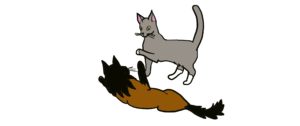
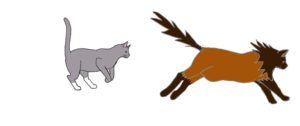
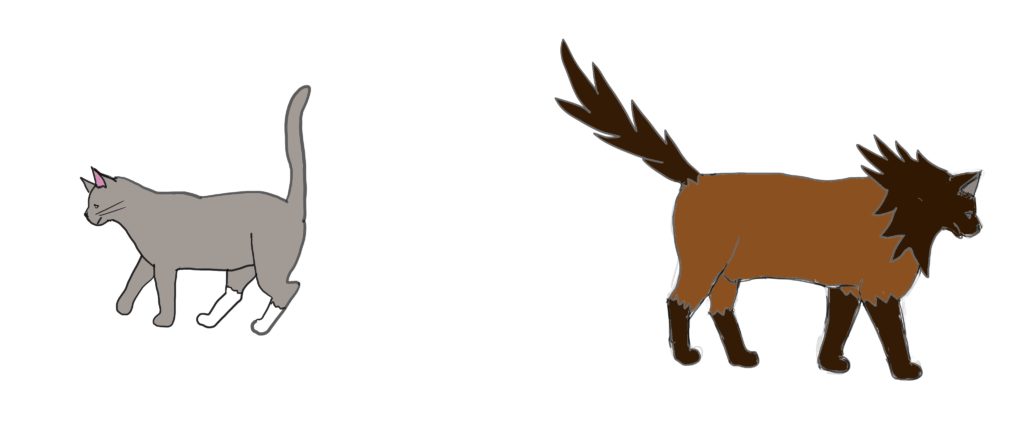 Play usually ends with one cat standing facing the other cat, who may be on his/her side, or there is a chase sequence that just dies off, with the cats walking away from each other.