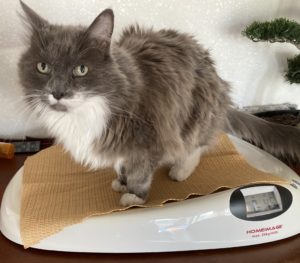
Feeding the older, skinny cat can be a challenge. Older cats do not digest food as efficiently as younger ones and can require more calories. Due to disease and natural aging processes, the older cat often suffers from a reduced appetite. Reduced appetite means that less food is eaten. Less food eaten means the cat will lose weight and muscle mass.
Reduced appetite in the older, skinny cat can be due to:
- Chronic kidney disease which can cause nausea
- Pain due to dental disease or arthritis
- Decreased odor and taste sensitivity (part of the aging process).
How can you get your older, skinny cat to eat better?
- Offer a palatable food with the appropriate nutrients
- Feed her in a way that mimics a cat’s natural behavior
- Use appetite stimulants if necessary
palatable, nutritious food
“Senior” Diets
A recent study by researchers at Oregon State, Colorado State, and University of California, Davis found that the only difference between commercially available “senior”diets and the adult diets was that there was higher fiber in the senior diets. So find an adult food your cat likes – preferably one that has been evaluated in a feeding trial.
A therapeutic diet may be recommended by your veterinarian if your cat has kidney disease or another medical condition.
“Aging Cats Prefer Warm Food”
Ryan Eyre and colleagues investigated the effect of temperature on how much older cats eat. Thirty-two cats between 8 and 14 years of age participated in a “two bowl” study of a chunks and gravy food at different temperatures. The food was refrigerated or heated as needed to 43° F , 70 °F and 98 °F.
In a series of trials, each cat was presented with one bowl of colder food and a second bowl of warmer food. The amount of food consumed by the cats was recorded. The researchers also measured 1) thickness of the gravy at the different temperatures and 2) the volatile compounds released when the food was heated.
What they found:
- There was no change in gravy thickness with temperature, so the texture of the food remained the same.
- Heating increased the release of volatile compounds associated with a “meaty” flavor
- Heating decreased the amount of volatile compounds that give rise to scents like orange peel
The cats preferred the warmer food in each of the pairs tested. They overwhelmingly preferred the food heated to 98 °F.
Other reasons cats may like warmed food:
- The warmest food had a temperature similar to the prey a wild cat would eat – so maybe a little bit of instinct is at work here.
- Heat is thought to activate taste receptors. Cats are thought to have about 470 taste buds and have taste receptors that detect salt, sour, bitter, and umami (meaty). So, heating food may also make it more palatable to cats by making it taste more “meaty”.
Heat your cat’s food before serving it – make sure to test before feeding. It should be “baby bottle” warm
Feeding your older, skinny cat: mimic natural feeding behavior
- Feed small meals frequently
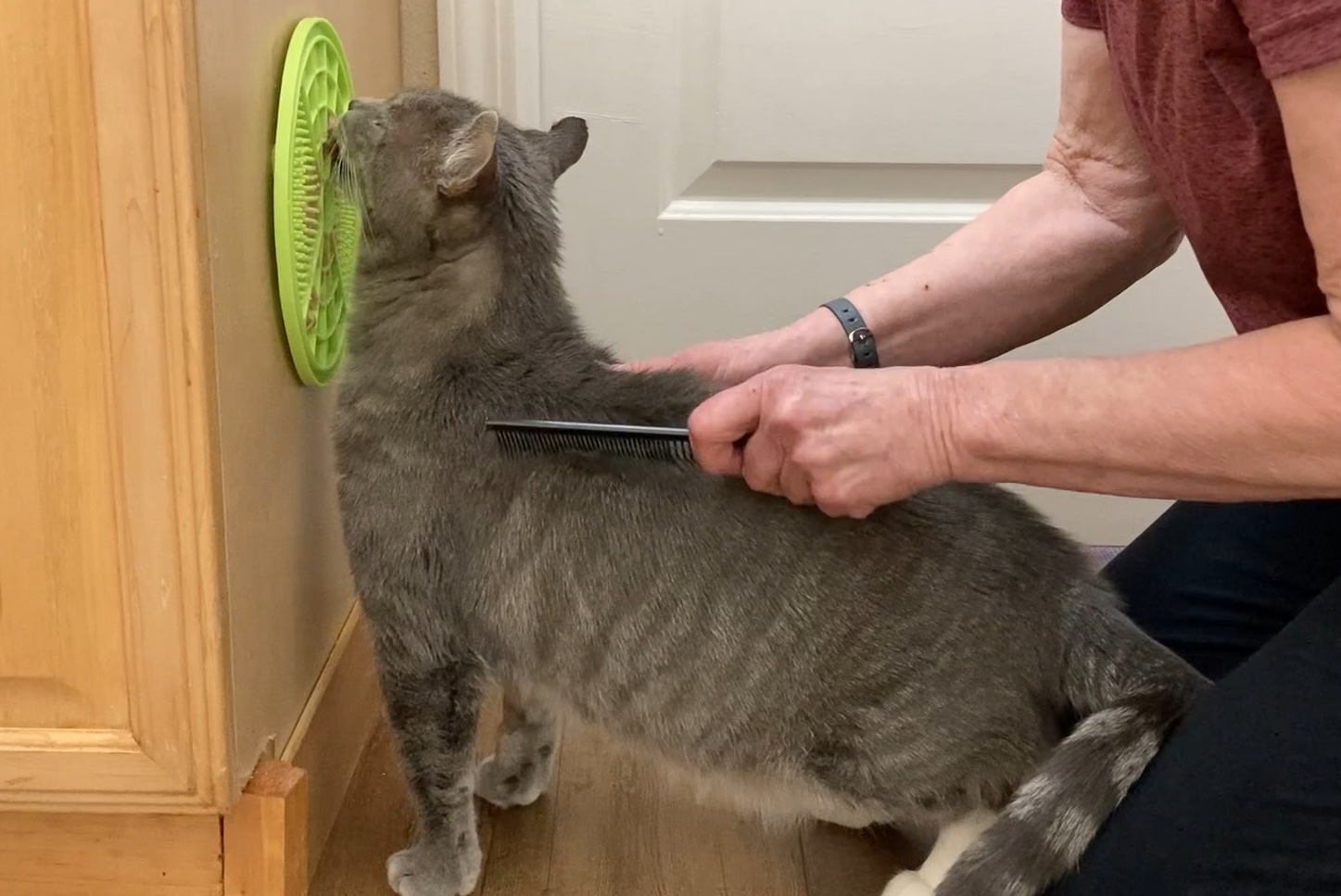
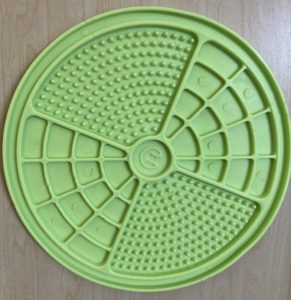
- Use food puzzles to engage the cat in foraging behavior
- Put food out in different locations
- Consider elevated feeding stations for arthritic cats
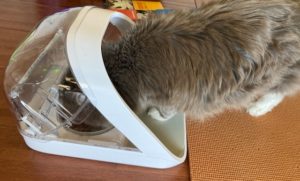
Reduce inter-cat stress in multi-cat households
- Cats prefer to dine alone so have multiple feeding stations
- Make sure that more dominant animals do not keep the older cat from eating
- Investigate strategies to protect your older, skinny cat’s food – for example, consider a microchip feeder
medical intervention – appetite stimulants
- Mirtazapine: Tetracyclic antidepressant that stimulates appetite in cats. Mirtazapine comes in pills and a transdermal ointment called mirataz. Mirataz is FDA-approved for cats.
- Capromorelin stimulates the production of Ghrelin, a hormone your stomach produces and releases. It signals your brain when your stomach is empty and it’s time to eat. Capromorelin (Elura) comes in an oral liquid for once daily administration. It was developed to manage weight loss in cats with Chronic Kidney Disease.
Make sure your old cat eats – fasting longer than 2-3 consecutive days can result in hepatitis lipidosis, which can be fatal if not treated promptly
Keeping your older, skinny cat well-fed is essential to maintaining a good quality of life for him or her.
Warm canned food
Feed small meals frequently
Talk to your vet about an appetite stimulant if necessary.
Want to keep up with the world of cats? Subscribe to The Feline Purrspective!
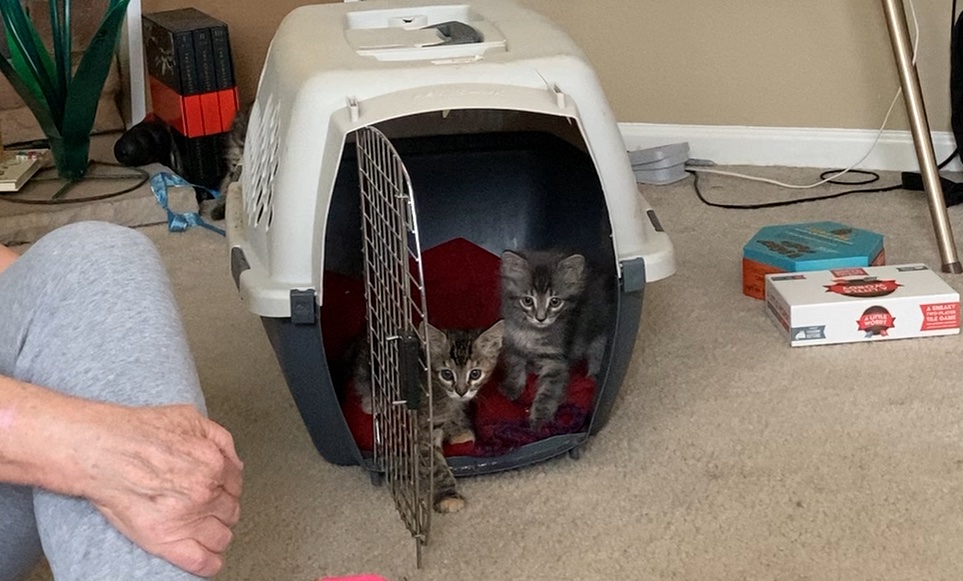 Kitten kindergarten programs are great ways to continue to expose kittens to new experiences and accustom them to humans. But what if you can’t find one of these programs near you? Consider introducing your kitten to your friends and family in your own home.
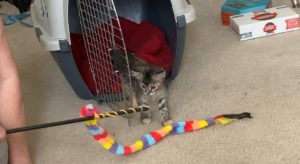 Lure your kitten out with treats or a toy. Allow her to approach people on her own – reward with a treat or play. Guests can take turns luring the kitten with toys, cuddling the kitten (if she accepts this) and offering snacks!
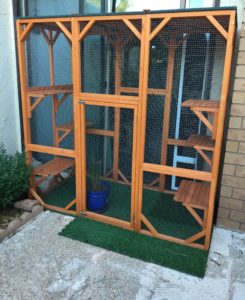
 cat on a morning or afternoon walk in your backyard or neighborhood. After all, getting outdoors is good for us too! It never hurts to have your cat harnessed even in a fenced backyard – this way you can clip the leash on as needed. If you walk your cat in public places, make sure to have kitty in a harness with leash and have a mobile “outdoor safe place” – stroller or backpack – with you.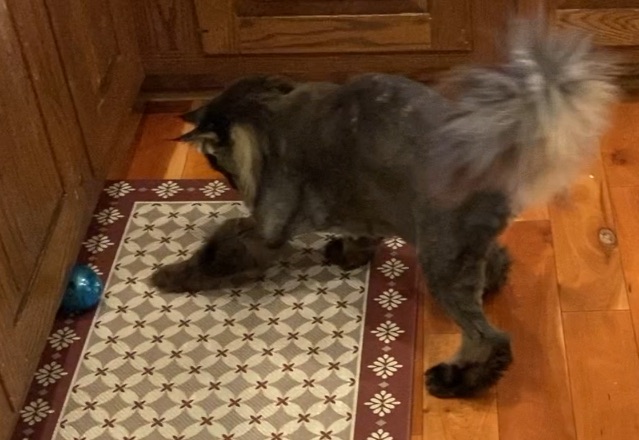
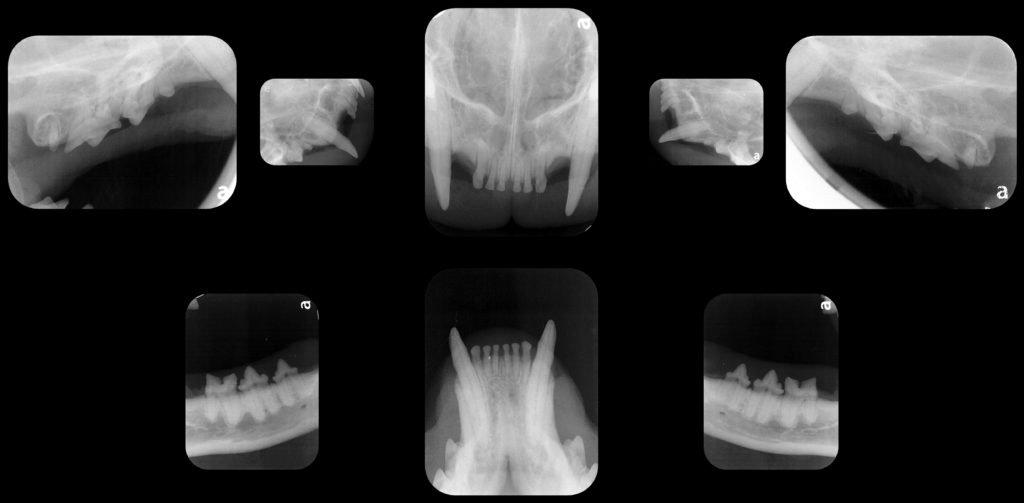
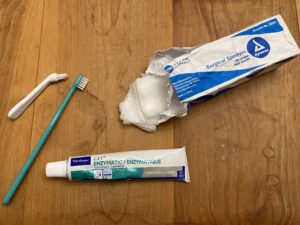
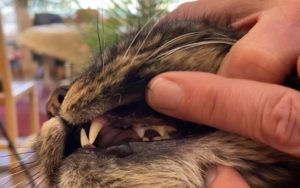 Plaque and tartar tend to accumulate on the buccal (facing the lips) side of the cat’s upper premolars. Focus on these surfaces.
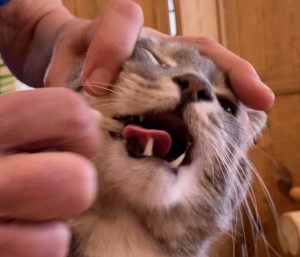 een his ears and your 4th and 5th fingers on his opposite cheekbone. Hold briefly, then reward him with a treat.
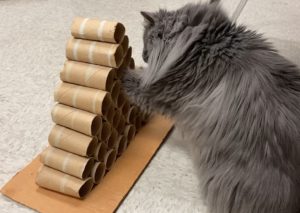
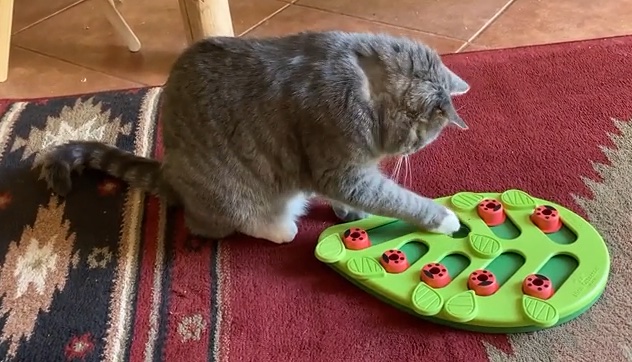 Why slide a block aside to uncover food when there is food freely available in a bowl nearby? Psychologists call the behavior “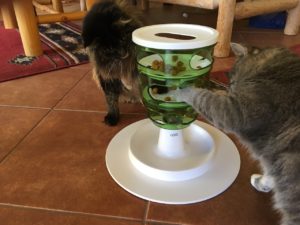
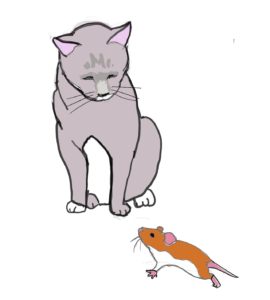 If you search for “monoclonal antibodies”, most of the search results are about COVID-19 and its variants. But did you know that monoclonal antibodies form the basis of the newest treatment for arthritis in cats? This new treatment is called
 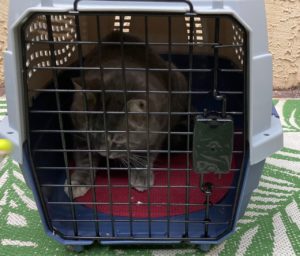 Many of us (cat owners) dread taking our cat to the vet. There is the ordeal of the carrier and car trip; once there, your cat seems miserable. However, regular veterinary care is the key to a happy and longer life for your cat. Can medication before your cat’s vet visit help?
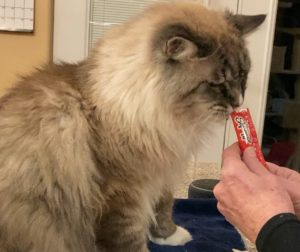 Giving your cat a pill can be a challenge for many cat owners. Often, the pills are bitter or seem too big. The veterinary staff demonstrates the technique but when you get home, you end up with a cat under the bed and the pill on the floor!