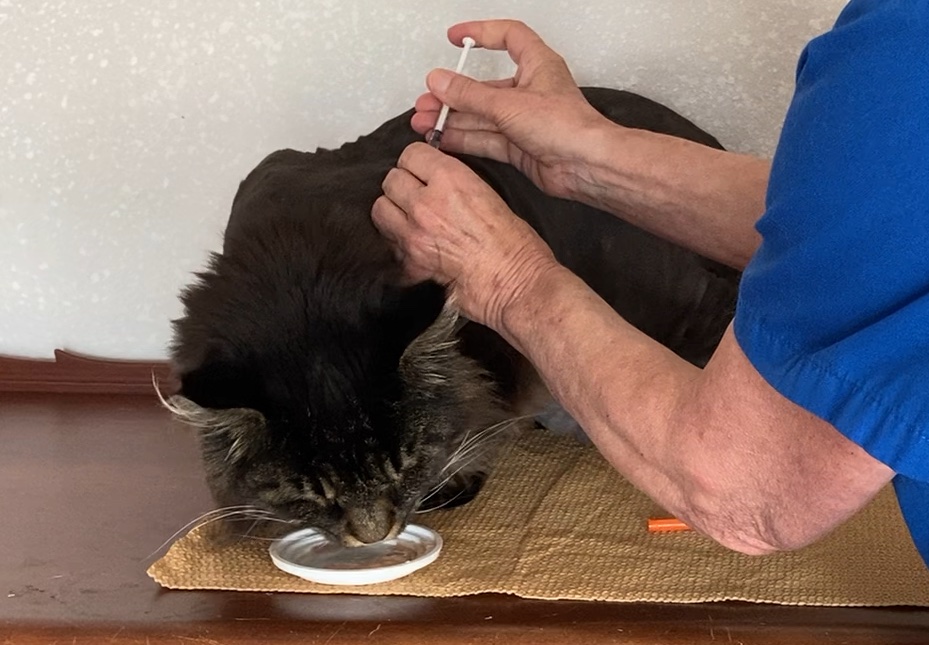
A cat receives an injection of polysulfonated glycosaminoglycans.

It is thought that almost 40% of all cats have clinical signs of arthritis and 90% of cats over age 12 have damage to the joints that you can see on x-rays. Cats are such masters at hiding pain that we are now thinking that arthritis is there earlier, pain is happening and we may not be able to see it on x-rays yet.

What if we could be proactive and start some kind of treatment before our cats even seem painful? Could we slow the deterioration of the joints? What arthritis supplements for cats are available and do they work?

The motivation behind writing this post was to help my youngest cat,  5 year old Gus, who showed some indications of spinal arthritis in his x-rays. Should I begin a supplement with him? I was astounded by the sheer numbers of arthritis supplements for cats on the market and the astounding claims they made.

arthritis supplements for cats – do they work?


Arthritis supplements for cats on the market now range from supplements used by humans to homeopathic remedies. Clinical trials are rare to non-existent on many of these products. This post addresses the more common products and ones that have had some double-blinded clinical studies done.

  • glucosamine/chondroitin,
  • omega fatty acids/ green lipped mussel extract
  • polysulfated glycosaminoglycans

Glucosamine/chondroitin


Glucosamine occurs naturally in cartilage, the flexible connective tissue found throughout the body – for example, in the external ears and the surfaces of joints. The supplement can be made synthetically in the lab or harvested from the shells of shellfish.

Some human studies have shown oral glucosamine may help with pain relief and slowing of joint degeneration in people suffering from osteoarthritis. However, in general, the results from these studies are not conclusive.

Dasuquin is a commercially available formulation of glucosamine/chondroitin for cats. It is a dietary supplement in a capsule that is sprinkled on food. The product has been evaluated for safety.

A recent double-blinded study of Dasuquin enrolled 59 cats with Degenerative Joint Disease.

  • All 59 cats were given a placebo for 2 weeks.
  • Then 29 cats received the supplement for 6 weeks while another 30 continued to receive the placebo.
  • The cats were evaluated by using an at-home accelerometer (like a kitty “fit bit”), owner observations and vet exams through out the study.
  • The study showed a strong placebo effect – 78% of the cats were more active while on the placebo.
  • Cats on the supplement did not show any statistically significant improvement over cats on the placebo.

However, the study did raise some questions:

  • The “kitty fit-bits” showed that the least active cats at the start of the study became more active on the supplement. Were these cat more painful to begin with?
  • The placebo was given in the first two weeks of the study when owner enthusiasm would have understandably been highest and owners would have been looking for improvement.

More research is needed – perhaps a different study design?

Omega Fatty acids (fish oils)
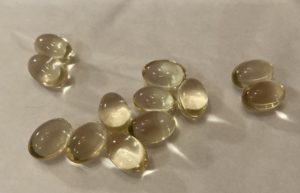

Supplementation with fish oils has shown some benefit for arthritic cats. A double-blinded study showed that cats supplemented with fish oil for 10 weeks were more active, going up and down the stairs more, jumping higher, not walking as stiffly and were more interactive with their people. This study used owner evaluation to assess the cats’ improvement.

Fish oil can be given as a dietary supplement (Welactin) or fed as a therapeutic diet, such as  Hill’s j/d.

Side effects of fatty acid supplementation include GI upset and reduced blood clotting. There is some controversy over how much fish oil is enough. Additionally, fish oil can add quite a bit of calories to your cat’s diet and could result in weight gain, taxing your cat’s joints further.

Merial’s Antinol for Cats supplement is based on fatty acids from green-lipped mussel extract. There are a number of case studies where the supplement has been given to cats with good results for cardiac and dermatological issues, in addition to joint and mobility problems.

Polysulfated Glycosaminoglycans (PSGAGs)


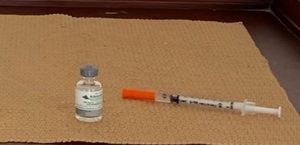
This product is available under the brand name Adequan.  It is the veterinary version of Arteparon, used in humans.
  • Decreases the breakdown in cartilage. The PSGAG’s allows the cartilage to hold more water, making it resistant to degradation.
  • Adequan has been extensively studied in dogs and horses for over 20 years and is FDA-approved for these species
  • Available by prescription.
  • Given by subcutaneous injection in cats with generally good results.

The jury is still out on most of the arthritis supplements for cats. Given at the manufacturer’s recommended dose, these products are safe and may be effective. Considering the individual nature of pain, some cats may respond favorably while others do not. Once again supplements are basically unapproved drugs so there is not the rigorous evaluation that accompanies FDA approval.

Your vet is your best resource on arthritis supplements for cats. He or she will be able to recommend a supplement or diet that is appropriate for your cat and is compatible with other medications or medical conditions your cat may have. In particular, combining supplements should be done with care – glucosamine, fatty acids and Adequan all effect how your cat’s blood clots.

So, what will I do for Gus?


My vets recommended the Adequan injection, citing the robustness of the canine studies and the fact that it is an injection – there is a greater confidence that the cat will get the supplement. We are not depending on him to eat something.

Want to keep up with the world of cats? Subscribe to The Feline Purrspective!
Subscribe

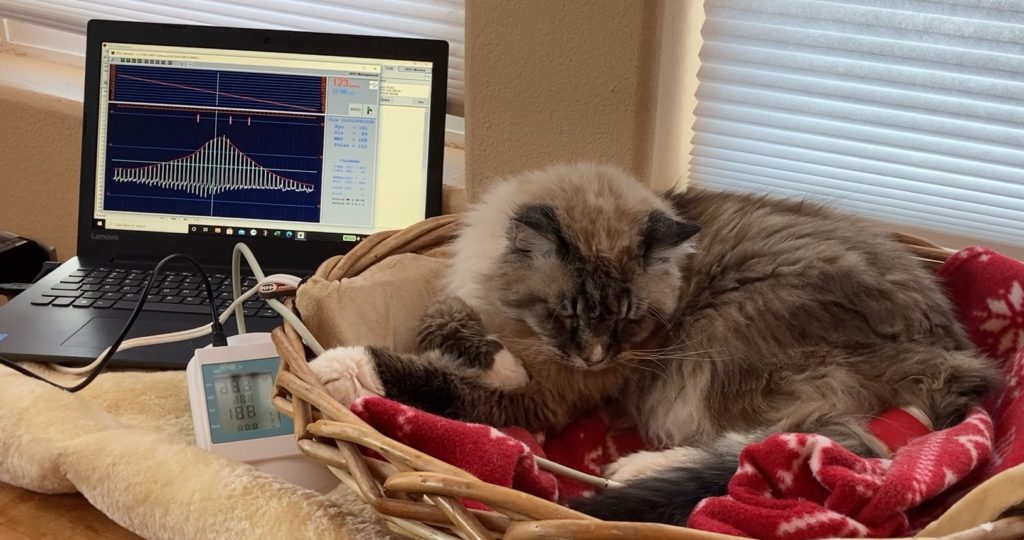
HDO BP cat
A cat relaxes in his basket during a blood pressure reading at home using an HDO unit. The cuff is on his tail. The blood pressure wave is on the computer screen.

You’ve brought your senior cat in for her regular checkup and the technician asks you if you would like to have her blood pressure checked. Although your blood pressure is routinely checked when you go to the doctor, it has not occurred to you to ask to have your cat’s blood pressure checked. Should you have your cat’s blood pressure measured? How is it done – will it be uncomfortable? Frightening?

Why measure your cat’s blood pressure


As cats age, many develop hyperthyroidism and kidney disease. Other cats may develop diabetes. All of these conditions can result in the heart pumping harder to compensate for the changes. As the heart pumps harder, blood pressure increases and arteries, the eyes, the kidneys, the brain and heart can be damaged.

Left untreated, high blood pressure can result in:

  • blindness
  • increasing loss of protein through the kidneys >> shortened life span
  • disorientation, lack of balance, seizures, altered mentation or behavior, or weakness in the limbs

The best way to avoid these consequences is to monitor your cat’s blood pressure and start treatment if his blood pressure is high.

So how do we measure your cat’s blood pressure?


When measuring blood pressure in humans, we typically place a pressure cuff on the upper arm, inflate the cuff until the flow of blood to the artery is shut off . The cuff is then released, and a wave of blood fills the artery, turbulent at first, then subsiding to a smooth flow.

The human practitioner can use a stethoscope to listen to the sounds made as the blood rushes back into the artery.

  • The first sound is heard at the systolic blood pressure (the higher number in 120/80)
  • The final sound is heard at the diastolic pressure (the lower number in 120/80).

We will also use a blood pressure cuff to measure your cat’s blood pressure. This cuff can be put:

  • on the front leg
  • on the hind limb, above or below the hock (ankle)
  • on the tail

Cats’ arteries are much smaller than humans’ and it is difficult to hear the sounds of the blood flow using a stethoscope, so we turn to other methods: Doppler and oscillometric.

Doppler


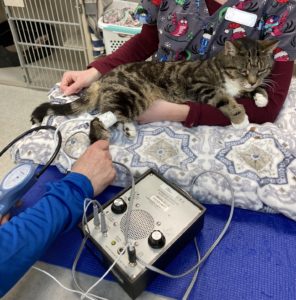
Doppler blood pressure cat
A cat has her blood pressure measured using a doppler unit. The cuff is on the hind leg and the sensor is held right above the paw pad.

A Doppler unit measures blood flow.

  • After placing the cuff on your cat, the Doppler sensor is placed over the target artery.
  • Piezoelectric crystals in the sensor detect changes in the flow of blood in the arteries and convert these to sound.
  • Acoustic gel on the sensor ensures good contact so that the practitioner can hear the heartbeat.
  • The cuff is inflated until the heartbeat is no longer heard.
  • The cuff is then released and the pressure at which the heartbeat can be heard again is the systolic blood pressure.
  • Headphones are usually used when measuring blood pressure with a Doppler.


Doppler units give us a measurement of the systolic blood pressure, the larger number in the 120/80.

Oscillometric


Only a cuff needs to be placed to measure your cat’s blood pressure with an oscillometric unit.

  • A sensor in the cuff detects the pressure pulses in the artery.
  • As the cuff is inflated, the pulses decrease as flow to the artery is cut off.
  • The cuff is then deflated and the pressure wave that results as the blood rushes back into the artery is analyzed.

Oscillometric units typically only measure the peak of this wave, the average blood pressure, and calculate the systolic and diastolic pressures.

A High Definition Oscillometric unit records the entire pressure wave, directly measuring the systolic and diastolic pressures. An HDO unit is usually connected to a computer to view the pressure wave and determine if the measurement was accurate.

How accurate is a blood pressure if my cat is nervous at the vet clinic?


Just like people, cats get anxious and nervous when visiting the vet clinic. Blood pressure is sensitive to this and it can be a challenge to measure your cat’s blood pressure.

Putting the odds in our favor:

  • Most of the time, you should be with your cat during a blood pressure measurement. Your cat knows you and trusts you. Your presence is reassuring and calming.
  • Allow your cat to settle in for 5-10 minutes – the measurement should be done in a quiet room.
  • If your cat likes to snuggle in your lap, see if the measurement can be done there. If your cat prefers to sit on his stomach, perhaps a tail measurement is best. If he is comfortable laying on his side, a hind leg may be better.
  • Using the front leg to measure blood pressure puts the practitioner in front of the cat; curious cats may want to take a nibble at the blood pressure cuff. I prefer that your cat be facing you, her person, who can reassure her. I feel the tail and hind leg work better.
  • The artery being measured, tail or hind leg, should be at the same level as the heart – so kitty should not be sitting up, but laying comfortably on his stomach or side.

What do the numbers mean?


  • Again, like people, the systolic pressure is ideally around 120.
  • Pressures 150 and over can indicate the need for medication.
  • Your vet may also do an eye exam, looking at the eye with an ophthalmoscope or lens. In some instances of high blood pressure, the vessels in the eye dilate and become twisted; sometimes the retina may be detached, resulting in blindness. If high blood pressure is caught early enough, blindness may resolve with treatment.

My cat’s blood pressure is high but her eyes looked OK. What next?


High blood pressure can be treated with drugs – the most common drug used is oral amlodipine. Amlodipine takes effect fairly quickly and a blood pressure can be repeated in about 10 days and the dose adjusted if needed.
Other medications such as benazepril or telmisartan may be used alongside or in place of amlodipine.

I don’t think the reading was accurate – my cat was too nervous


It is worth investing in a home blood pressure visit. A practitioner can come to your home and get a measurement where your cat feels safe and secure.


Measuring your cat’s blood pressure especially as she gets older will help keep her healthy and comfortable. Without treatment, high blood pressure can have serious side effects, including blindness, seizures, and cardiac damage.

Have your cat examined regularly by your veterinarian, as changes to the eyes or a heart murmur might warrant a blood pressure check.

Want to keep up with the world of cats? Subscribe to The Feline Purrspective!
Subscribe

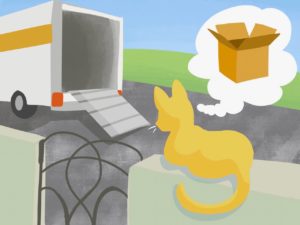
art by Cal Meyer

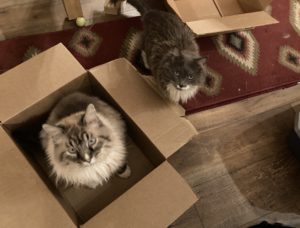
Cats and boxes are a purrfect combination.  An enclosed space like a box can be a safe place, help keep a cat warm and give him a vantage point to ambush “prey” (unfortunate insects, catnip mice…). Boxes are also popular with other animals – big cats are often given boxes for enrichment at zoos and refuges; dogs also like boxes to play in but some may tend to chew the box up!

Cats will also sit on just about anything, comfortable or not. Anyone who does craft projects well knows that once the fabric is out to be cut, a cat will be sitting on it soon enough. Years ago, cats sat on newspapers if you tried to spread the paper out on the table – nowadays, they park on computer keyboards. Some of this is attention-seeking behavior – Zelda only lets me type so long Sunday mornings before she gets up on my desk and threatens to contribute to the post if I don’t take her for her morning walk.

In 2009, the USPS came up with the Christmas slogan, “If it fits, it ships”.  A few years later, a variant of the slogan became an Internet cat meme: “It it fits, I sits”.  This gave rise to posts of cats in all sort of places, from egg cartons and shoeboxes, to bowls and sinks.

The Internet exploded again in 2017 as people used tape to outline squares on the floor for their cats to sit in. Cats were “trapped” in all manner of taped shapes, with cat experts offering explanations ranging from cats reacting to new smells (from the tape) to survival instinct, where the cats must investigate something new (the taped square) to determine if it poses danger to them.  Some felt that the taped square offered the cat a sense of security, much like a real box.

The phenomenon did not stop here – in 2020, during the COVID pandemic, a woman in the Philippines photographed stray cats practicing “social distancing” – the cats sat on circles painted on the ground 6 feet apart outside a food market.

cats and boxes: optical illusions


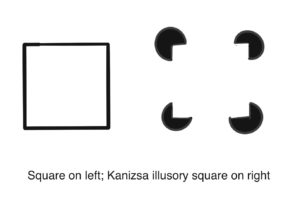
It is not surprising that cats in taped squares became the subject of a research study investigating cats’ responses to optical illusions. In a two month study in June-August of 2020, researchers at Hunter College enrolled over 500 cat owners to participate in a study to assess cats’ responses to a taped square, a Kanizsa square (which gives the illusion of a square), and a control figure.

Enrolled owners were sent booklets containing pairs of these shapes that they affixed to the floor.  The owners then took videos of their cats’ responses to the shape-pairs and submitted the videos to the research team.  They were to do this once daily for 6 days.

The results found that of the 30 cats that completed all six trials of the experiment, only nine of them “participated”, that is, sat in one of the shapes. These cats were just as likely to sit in the taped square as the Kanizsa square. Only once did one of the cats choose to sit in the control shape.

What does this tell us about cats? Are they susceptible to the optical illusion of a square? Do they recognize it as a square? I think more research will have to be done:

  • Only 9 out 30 cats actually sat in the shapes.
  • Cats are not as tall as we are and don’t see well close up. Can they see the squares from their vantage point?
  • I, for one, would like to know how many cats will voluntarily sit in a taped outline – I tried leaving a hula hoop out on the floor to see if any of my four cats would voluntarily sit in the circular outline. I did not have any takers!

This study is the first to use “citizen scientists” (the owners) to observe the cats in their home environments, thereby avoiding stress-induced behaviors that cats can exhibit in unfamiliar settings, such as a laboratory.

Back to cats and boxes…


Cats are practical. They prefer their owners to their owners’ T-shirts. I feel that they would prefer a physical box to a taped outline. A box is a great source of enrichment – it can be a bed, a den, it can be place to hide while ambushing a toy mouse going by. Shelter cats acclimate to their surroundings more quickly when provided a box to hide in.

Boxes that are too small to allow a cat to hide may make him feel good by putting physical pressure on his body, like when we wedge ourselves in the corner of the sofa watching a favorite TV program.  Pressure on soft tissue has been shown to promote relaxation and reduce anxiety in both humans and animals.

So, make sure your cat has a safe place – a place he can call his own, a place that is secure, secluded, a hiding place to retreat to, warm in the winter, cool in the summer. It can be a cardboard box in a closet or in a secluded corner!

Want to keep up with the world of cats?  Subscribe to The Feline Purrspective!
 

Subscribe

Identifying signs of cat dementia is not always straightforward. In the hubbub of daily life, behavior changes can be subtle and go unnoticed until they are more severe.

Changes in behavior can indicate if your cat’s mental state has changed. The acronym VISHDAAL summarizes the behavior changes we need to observe to care for our senior cats.

V = changes or increase in vocalization
I = changes in interaction with us and other pets
S = changes in sleep-wake cycle: restlessness, night time activity
H = housesoiling
D = disorientation and confusion
A = changes in activity
A = anxiety
L = learning and memory

Three cats – three outcomes


rupert, 18 year old neutered male siamese

Cat on sailboat


I had two senior Siamese cats when I had my first child.  A first-time mom, I was frazzled, dealing with the completely new experience of parenting and was not paying as much attention as I should have to my cats.

One day, an acquaintance asked why one of the cats, Rupert, was sitting on the kitchen counter, in a corner, facing the wall. I had been aware that he did that sometimes but when I paid closer attention, I found that he would eat in the morning, use his litter box and then spend the day on the counter, facing the wall. He would come down to eat, drink, and use the litter box but always returned to the counter.

Behavior Changes – signs of cat dementia?

  • I – Rupert was no longer interacting with us.
  • D – He seemed confused and “out of it” – sitting on the counter all day
  • A – His activity had changed – he did not move much from the counter

Diagnosis:

Rupert had lost quite a bit of weight, although he was eating well. My vet diagnosed him with hyperthyroidism, which was a new disease in cats at that time.

Outcome:

Use of radioactive iodine to treat the disease was pioneered about 10 years earlier but it was not commonplace. Surgery was an option but at 18 years of age, Rupert was not a good candidate for surgery and we elected euthanasia due to his declining Quality of Life.

The Takeway:

I suspect that Rupert had moderate to severe cat dementia. The symptoms were most likely apparent earlier and I just did not recognize them. Nowadays, drug therapy for hyperthyroidism is readily available – methimazole is an FDA approved treatment for hyperthyroid cats. Perhaps treatment of the hyperthyroidism would have reduced the symptoms of cat dementia enough for Rupert to have had some more time with us.

Athena, 16 year old spayed female


Athena had been slowing down over the past year, was not eating as well and was spending most of her time sleeping. We had provided her with steps to access window perches and our bed; we also provided her with a heated bed.

Behavior Changes – signs of cat dementia?

  • I – Although still willing to play, Athena was interacting less with us; she had previously been a “nosy, busybody” kind of cat.
  • A – Athena no longer went on her daily walk and was less active in general

Diagnosis:

Diagnostic blood work did not show any significant changes over the past year. Athena did not show other signs of cat dementia and would still learn new tricks when hungry for treats.

X-rays showed moderate to severe arthritis in one of her hips and knees. We decided to treat her arthritis pain with the drug gabapentin.

Outcome:

Treatment for her arthritis pain has been a game changer for her; her activity level has increased, her appetite has increased, and she is back to “being in your face” when she wants something.

The Takeaway:

Regular checkups and treatment of chronic conditions can make you and your cat happier! Some symptoms typical of dementia may be due to treatable, medical conditions.

Marley, 15 year old neutered male

cat with food puzzle
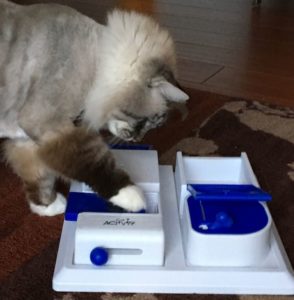
Marley works the Poker Box, a food puzzle.

Marley is a friendly, affectionate cat with good health overall. In the past several months, Marley showed some of the behavior changes that we need to monitor in senior cats.

Behavior Changes – signs of cat dementia?

  • I – Marley had become more clingy than usual and more interactive
  • D – He seemed confused when playing the nightly game of “treat toss” – he seemed to forget that he was chasing a treat!
  • A – He did not want to walk outside with us (which he has been doing for years).
  • A – He seemed anxious and a little fearful. His interactions with the other cats became timid.

Diagnosis

Marley’s senior exam and blood work did not reveal any abnormalities other than a slight decline in kidney function which could be expected at his age.

Marley appears to have some mild cat dementia. Since these changes were mild, we decided to try SAMe, a dietary supplement. SAMe has been shown to be effective at reducing symptoms of dementia in cats in the early stages of cat dementia.

Outcome

About 2 months have gone by with daily supplementation. Marley is taking his daily walk again and is not as clingy with his humans. He is no longer stand-offish with the other cats and is “catching” his treats again when we play the nightly treat toss.

A Final Word…


Cat dementia cannot be cured but it can be managed. With early diagnosis, appropriate environmental modifications, dietary supplements, therapeutic diets, and medication can help can reduce the symptoms of dementia and improve Quality of Life for both you and your cat.

Want to keep up with the world of cats? Subscribe to The Feline Purrspective!
Subscribe

Cat using food puzzle

At the veterinary clinic where I work, I often hear people say when I ask about their cat’s activity and play, “she sleeps most of the time and meows a lot at night. She doesn’t play – she’s an older cat”. How much of these behaviors is due to “normal” aging? How much is due to other medical conditions or a declining brain?

Cognitive Dysfunction Syndrome in cats or cat dementia refers to the decline in mental abilities associated with aging (Reference 1).

Cat dementia results from damage to the brain.  As your cat ages, the the numbers of molecules called  free radicals are no longer balanced out by the antioxidants in his body. These free radicals are reactive and cross the blood-brain barrier, damaging cells in the brain (Reference 1).

Changes in blood flow to the brain can also cause damage by starving the neurons of oxygen.  High blood pressure, heart disease, anemia – are all conditions that alter the flow of blood to the brain.

How can we tell if our cats are undergoing mental decline? Is there anything we can do about it?

VISHDAAL – behavior changes 


Changes in behavior can indicate if your cat’s mental state has declined. The acronym VISHDAAL (Reference 1) summarizes the behavior changes we need to monitor in our senior cats, from the most prevalent (vocalizing) to least frequent (changes in learning and memory).

V = vocalization
I = changes in interaction with us and other pets
S = changes in sleep-wake cycle
H = house soiling
D = disorientation
A = changes in activity
A = anxiety
L = learning and memory

How do we sort out behavior changes due to disease and those due to declining mental capacity?

Changes in behavior signal the onset of cognitive decline but they may also arise from other health issues:

  • Cats with untreated high blood pressure or hyperthyroidism may meow at night (vocalizing).
  • Cats with untreated hyperthyroidism may be restless and beg us for food (changes in interactions and sleep).
  • Kidney disease can be accompanied by increased thirst and urination which may result in house soiling (house soiling)
  • Cats with osteoarthritis may have difficulty accessing the litter box (house soiling).

behavior changes: disease vs Dementia


Regular veterinary exams and diagnostics can identify medical conditions such as high blood pressure, hyperthyroidism, and osteoarthritis.  If behavioral changes persist after treating these other medical conditions, your cat may have CDS or cat dementia. 

Cat dementia is a “diagnosis of exclusion” – it is the diagnosis that remains after all the other possible diagnoses have been eliminated. Cat dementia will usually have a slow onset and behavioral symptoms will gradually get worse (Reference 2).

Cognitive Dysfunction (CDS) cannot be cured but management can reduce the symptoms and improve the Quality of Life for both you and your cat.

managing cat dementia


  • environmental enrichment/modification
  • dietary supplements
  • therapeutic diets
  • medication

Environmental enrichment/modification


In the early stages of cat dementia, enrichment increases mental stimulation, leading to the growth and survival of neurons, preserving the thinking processes.  Enrichment should be tailored to the individual cat.  For example, some cats prefer high places; others are “ground dwellers”.  Arthritic cats will not have the range of motion of healthier cats but will still enjoy play that does not require lots of jumping.

Ways to enrich your cat’s environment:

  • play – interactive play and toys
  • scent enrichment – catnip, silvervine
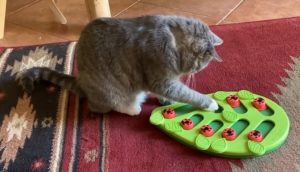
  • food puzzles
  • motion – climbing (cat trees) and exploring (cardboard boxes)
  • supervised outdoor access

As CDS progresses…

Environmental changes become stressful and confusing. Cats with severe cat dementia need an environment that does not change much  – daily routines and feeding schedules must be maintained. Litter boxes and feeding stations need to stay in the same place (Reference 2).

A cat with severe CDS may benefit from a “room of his own”, with easy access to his resources. Changes that need to be made must be done slowly. If you need to move a litter box or feeding station, do it gradually over a number of days so the cat can still find it.

Environmental modifications (Reference 1):

Modifications to the environment of the cat with dementia should take into account the behavior that she is exhibiting.

  • Cats that constantly beg for food may benefit from a timed feeder at night or treat balls. 
  • Cats with house soiling tendencies may need more litter boxes and ones that are easily accessed, with a lower entry for example. 
  • Cats that become disoriented and confused may benefit from a night light and radio playing soft music.

Dietary Supplements (Reference 1)


Dietary supplements in general seek to restore the balance between the activity of antioxidants in the body and the  production of free radicals.  Antioxidants give up electrons to the free radical, effectively “neutralizing” it so that it is no longer reactive. So, these supplements usually contain antioxidants.

SAMe: (S-adenosyl-methionine)  aids in the production of glutathione, an antioxidant. When elderly cats were supplemented with SAMe, there was improvement in cognitive tests. SAMe is best used pro-actively – it is most effective in cats in the early stages of cat dementia.

Proprietary supplements containing vitamins, resveratrol (antioxidant), and fish oils are on the market but there is no clinical data testing cats for these at this time.

other supplements


Melatonin: hormone in the body that is thought to promote sleep. It also has antioxidant properties. Melatonin declines with age.

Pheromones (Feliway), Zylkene, Anxitane (L-theanine) may help reduce anxiety in cats that are disoriented and may promote sleep.

Therapeutic diets (REFEREnce 1)


Therapeutic diets containing antioxidants and fish oils have been shown to help cat dementia. 

  • Feline Mature adult Hill’s Pet Nutrition
  • Purina Pro Plan Age 7+
  • Hills prescription diet j/d with fish oil for osteroarthritis

Diets that reduce anxiety may also help with cat dementia

  • RC Calm diets
  • Hill’s urinary support

Medications


Selegiline: licensed to treat dementia in dogs. Like the dietary suplements, it aims to reduce the production of free radicals.  Selegiline stimulates the production of enzymes that eliminate free radicals.

Anxiolytics: Prozac, gabapentin and clonazepam are used to treat dementia by reducing anxiety.

boxes as enrichment for cats
Boxes can be source of enrichment for senior cats.

If you feel there has been a significant change in your cat’s behaviors, keep a journal or log and make sure to mention it at her next senior exam. Start the conversation with your vet about cat dementia and how to manage it!

References

  1. Sordo, L. and Gunn-Moore, D.A. (2021), Cognitive Dysfunction in Cats: Update on Neuropathological and Behavioural Changes Plus Clinical Management. Veterinary Record, 188: N/A-N/A e3. https://doi.org/10.1002/vetr.3
  2. Purina Editorial Team, “Cat Dementia: What You Need to Know”, viewed 11/7/21. https://www.purina.co.uk/articles/cats/senior/behaviour/cat-dementia

Want to keep up with the world of cats? Subscribe to The Feline Purrspective!

Subscribe


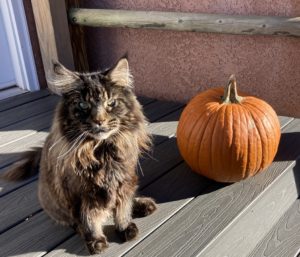
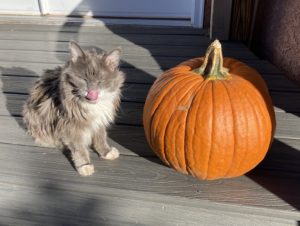
Cat with a pumpkin

It’s that spooky time of year where black cats and pumpkins are all the rage. But did you know that many cats dine on pumpkin year round? Why add pumpkin to your cat’s diet? Does it work?

pumpkin and cats


Pumpkin is a popular way to add fiber to a cat’s diet. Fiber can be used to manage diarrhea, constipation, diabetes, satiety, and hairballs.
Fresh pumpkin is said to have about 3 g of dietary fiber per cup while canned pumpkin can have up to 7 grams per cup.

What is fiber?


The story about fiber is complex so I will just say that fiber is substances in food that cannot be digested by the enzymes in the small intestines. Fiber arrives in the large intestine undigested and unchanged.

Fiber can be soluble in water or not (insoluble).

 Soluble fibers

  • Some soluble fibers form a gel in the intestines that slows digestion of carbohydrates, keeping blood sugar levels steady.
  • This gel may also block fat that would otherwise be digested.
  • Other soluble fibers ferment in the large intestine, forming the short chain fatty acids (SCFA) that are part of the cross-talk between the intestinal microbiome and the brain.

Insoluble fibers can pass through the GI tract intact and function to “bulk up” stool and help waste move through the gut.

THE TAKEWAY: It important to have the right amount of the right type of fiber.

  • Too much fermentable fiber can result in excess gas and gastrointestinal discomfort.
  • not enough insoluble fiber may result in diarrhea.

Fiber and carnivores


We tend to think of plants when talking about fiber. But our cats are obligate carnivores, meaning they mainly eat meat. Do they need fiber?

“animal fiber”


A wild cat will eat the entire mouse – fur, bone, cartilage, gut content, tendons, ligaments. These indigestible parts act as fiber – bulking up stool and helping waste pass through the intestines. Even the chitin in the wings of that grasshopper can function as fiber. Some of these materials ferment in the large intestine forming SCFA that allow the microbiome in the gut to talk to the brain.

A study looking at “animal fiber” compared a diet of whole rabbits (fur and all) versus supplemented beef for captive cheetahs.  The cheetahs eating the whole rabbits had more SCFA in their stool than those cheetahs eating supplemented beef. The stools of the rabbit-fed cheetahs were also bulkier due to the “animal fiber”.

We don’t feed our cats whole rabbits – plant fiber is more easily sourced so commercial cat food includes these. Research has shown that feeding our cats moderate amounts of fermentable fiber such as beet pulp helps feed the intestinal microbiome without a lot of gas and bulky stool.

“Differences in fiber type and amount likely result in many of the gastrointestinal issues that pet owners see that vary with diet – they can often explain a pet who has poor stool quality on one diet but perfect stool on another. Too much or too little or the wrong mixture of fiber is a much more likely reason for a pet to not do well on a specific diet than a food allergy…” (from Fiber Frustrations, Cummings Veterinary Medical Center at Tufts University)

Back to Pumpkin and cats…


Pumpkin has both soluble and insoluble fiber. One tablespoon of canned pumpkin contains about 0.1 g of soluble fiber and 0.4 g of insoluble fiber. By comparison, 1 teaspoon of metamucil ( psyllium) provides 10 times as much fiber: 2 grams of soluble fiber and 3 grams of soluble fiber.

While pumpkin is safe for most cats, you may have to give a lot of pumpkin to match the level of fiber in say, one of the veterinary therapeutic diets. There are no real guidelines to supplementing fiber in commercial cat diets so talk to your vet if you feel that your cat needs fiber to manage diarrhea, constipation, or hairballs. Your vet can recommend a diet or supplement with the appropriate type and amount of fiber.

If you decide to supplement your cat’s diet with pumpkin, be sure to choose canned pumpkin and not pumpkin pie mix. While pumpkin and cats are a safe combination, the sugar and spices in pumpkin pie mix are not good for your kitty.

The nutritionists at Cummings Veterinary Medical Center (Tufts University) recommend that …“If supplemented, fiber should always be given gradually over a few days to weeks until the stool reaches the desired composition or other desired benefit is reached (or it becomes clear that it is not helping).”

Happy Halloween!Cat posing with pumpkin

Want to keep up with the world of cats? Subscribe to The Feline Purrspective!


SUBSCRIBE!

You’ve stopped by the pet shelter and are interviewing the cats for adoption. You’re looking to adopt an adult cat – you feel your life is just too hectic to take on a pair of kittens. There is an orange male cat who seems friendly and rubs your outstretched hand in greeting. He is simply charming!

You find a shelter volunteer for more information. She asks you how you feel about caring for a blind cat. You do a double-take – the cat moves confidently around his enclosure, then turns and approaches you.  Nothing about him makes you think he can’t see.

Blindness in cats can arise from a number of factors:

  • genetic condition present at birth
  • trauma to the eyes
  • cataracts due to aging or diabetes
  • detachment of the retina, resulting from high blood pressure, chronic kidney disease, or hyperthyroidism
  • infectious organisms, such as FeLV, FIV, can cause inflammation in the eye and lead to blindness.
  • untreated eye infections resulting from upper respiratory infections can also cause blindness

“keep an eye” on your cat’s eyes – see your vet if:


  • your cat is squinting
  • her third eyelids are swollen
  • her conjunctiva are red and swollen
  • there is discharge from her eyes – clear to greenish-yellow
  • her pupils are not the same size
  • she starts rubbing her eyes

Caring for a blind cat


Caring for a blind cat or cat who is gradually becoming blind is similar to  caring for a “sighted” cat. Blind cats and “sighted” cats have the same environmental and emotional needs.

Blind cats adapt quickly to their surroundings. How do they do it? They rely on their other senses – smell, touch, and hearing – to get around.

The blind cat’s superpowers


superpower #1 – smell


Cats live in a landscape of odors. Cats have two ways of detecting odors in their environment:

  • the cells lining the nose and nasal cavity
  • the vomeronasal organ or VNO in the roof of the mouth

In the VNO, there are 3 types of “receptor proteins”. These receptor proteins respond to chemicals such as odors. We know more about the V1R protein than the other two.

Cats have 30 genetic variants of the V1R protein. Genetic variants refer to changes in the DNA sequence that makes up a gene. More genetic variants of the V1R protein allow cats to detect a greater variety of scents than say, dogs, who have only 9 genetic variants of this receptor protein. 

Cats can associate certain odors/scents with a particular experience, place or other animal. For example, to a cat, another animal or person has a signature scent that the cat uses to identify that individual.

superpower #2 -TOUCH :THE WHISKER POSITIONING SYSTEM


Each whisker is embedded in a cluster of nerve endings located 3 x deeper in the skin than the surrounding hair follicles. Not only do whiskers alert your cat to the piece of furniture nearby, they alert him to changes in air currents, from say an open door or window.

Cats use their whiskers to navigate – whiskers help the cat pinpoint where she is relative to her surroundings – “can I fit behind this sofa?” Needless to say, a blind cat finds her whiskers crucial to getting around.

superpower #3 – hearing


Cats have one of broadest hearing ranges of all mammals. They are able to hear the high-pitched ultrasonic squeaks of mice and also the low-pitched tones of the human male voice.

Cats’ cone-shaped ears move independently of each other. Sounds will reach each ear at different times and allow the cat to pinpoint the source of the sound.

Watch as these blind cats track a bird.

CAT FRIENDLY HOMES FOR blind kitties


Setting up a cat-friendly home for a blind or partially blind cat is much the same as setting it up for a sighted cat. He will need multiple, separate litter boxes, feeding and water stations, and safe places to retreat to.

Your blind kitty will use his incredible sense of smell and ability to discriminate between scents, to navigate his environment. His hearing and whiskers will also alert him to the presence of other animals and objects. And just like any “sighted” cat, he should be introduced gradually to a new environment. (Yes, rearranging the furniture is a “new” environment.)

Alana Miller of Blind Cat Rescue & Sanctuary has some tips for caring for a blind cat:

  • Blind cats should only be indoor pets. Make sure there are no open pet doors, windows or other ways your cat could get outside. (A secure area like a catio can give your blind kitty a safe outdoor experience).
  • Make sure the house is safe.  Keep cleaning chemicals, power cords or other potential tripping hazards out of your cat’s reach.  Be aware of spaces he could explore and get stuck in like behind washer/dryers.
  • Stairs.  Make sure you’re with your cat the first few times she uses the stairs until you’re sure…she knows where they are and is able to navigate them.
  • Know where your blind cat is. He can’t see you and may not know he’s under your feet… you don’t want to step on him by accident.
  • Let your blind cat know that you are going to touch her. A blind cat can’t see your hand coming … she might startle when you touch her.  As you approach, make sure you rub your fingers together or make a gentle noise with your hand to alert her.

Whether you adopt a blind kitty or your older kitty has vision loss, remember your blind cat has the same needs as sighted cats. With some modifications, you can provide a safe and enriching environment for your blind cat.

Want to keep up with the world of cats? Subscribe to The Feline Purrspective!

Subscribe

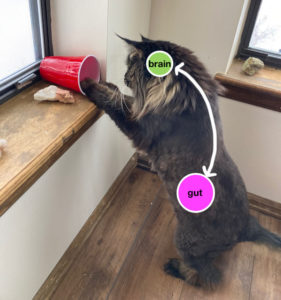
Zelda gets a snack from a plastic cup

Feeling “gutsy”? “Butterflies” in your stomach? These are the signs that your brain and your gut are communicating with each other. There is constant “crosstalk” between these two organs.

The tiny microbes that call the gut their home form a community or “microbiome”.  Some of the ways this microbiome communicates with the brain are:

  1. Millions of neurons line the GI tract and signal the brain of changes in the microbiome.
  2. If the brain triggers the release of fight or flight hormones, the movement of the intestines and the content in them changes.
  3. The GI microbiome affects the development of neural systems that control stress.
  4. Gut microbes can affect immune cells in the GI tract. These changes are picked up the neurons in the walls of the GI tract.
  5. Gut microbes produce short chain fatty acids and neurotransmitters that directly affect the brain.

Our cats are also mammals with a similar gut-brain communication. Imbalances in your cat’s GI microbiome can result not only in diarrhea but also can affect mood, anxiety, and conditions such as dermatitis and inflammatory bowel disease (IBD).

How and what we FEED our cats affects the microbiomes in their guts. As we learn more about how the gut talks to the brain, we are finding specific ways to influence these microbiomes through diet. This gives cat owners a low-stress way of managing their cats’ health by feeding them.

probiotics for cats


A microbe is microorganism, usually a bacterium, that causes disease or fermentation. We can influence the GI microbiome through prebiotics, probiotics and synbiotics.

  • Prebiotics refer to indigestible fiber that feeds the “good” (beneficial) bacteria in the GI tract.
  • Probiotics are live bacteria or yeast that are beneficial to the health of the host – human, cat, dog… – who consumes them.
  • Synbiotics refer to the combination of pre- and probiotics – fiber and bacteria/yeast.

The bacteria/yeast can be freeze-dried and packaged as a supplement. The bacteria remain in a “dormant” state until they are exposed to the right conditions of acidity, temperature and water and become active and “live” once more.

DIETARY SUPPLEMENTS FOR YOUR CAT’S GI MICROBIOME


Some of the more common probiotics for cats include Fortiflora and Proviable.

Fortiflora is manufactured by Nestlé-Purina. The supplement contains the bacterium E. faecium SF68 and has been shown to reduce viral and antibiotic-induced diarrhea in cats. A newer version of this supplement, Fortiflora SA, includes the prebiotic psyllium, resulting in an improved resolution of diarrhea. Fortiflora has also been studied with regard to reducing side effects from feline herpes virus.  Fortiflora is available over the counter; Fortiflora SA is available through your veterinarian.

Nutramax Proviable is another powdered synbiotic for cats found to be effective in  resolving feline diarrhea . Proviable contains seven strains of bacteria: E faecium,
Streptococcus (Enterococcus) thermophilus, Lactobacillus acidophilus, L bulgaricus, L casei, Bifidobacterium bifidum, and L plantarum. Proviable is available over the counter.

Another probiotic on the market features the bacterium Bifidobacterium longum, that has been shown to help cats and dogs stay calm. Calming Care is a Purina product available over the counter.

a diet to maintain your cat’s gi biome


Hill’s Pet Nutrition has developed a canned and dry diet for cats designed to maintain a healthy gastrointestinal microbiome. The food incorporates a blend of prebiotics designed to encourage the growth of “good” bacteria in your cat’s intestines.

Research on cats at the Hills Pet Nutrition Center showed that feeding the “biome” diet increased the “good” bacteria and post-biotics – those short chain fatty acids (SCFA) from fiber fermentation. SCFA are thought to regulate processes in the Central Nervous System and ultimately shape behavior and cognitive function.

MORE ABOUT probiotics for cats


A company called Animal Biome offers to tailor the use of probiotics to the individual cat or dog. The company cites problems with the “one size fits all” approach using probiotics to manage the microbiomes. The composition of the your pet’s microbiome is identified using DNA sequencing. Supplement therapies are available to restore your cat’s microbiome balance.
Other companies offering similar services include Nom Nom and MIDOG.

Probiotics provide us with additional ways to manage not only GI upset but possibly anxiety, skin issues and IBD in our cats. More research should identify additional probiotics for cats that target specific conditions.

SHOULD I USE PROBIOTICS/SYNBIOTICS FOR MY CAT?


For an occasional bout of diarrhea, a probiotic such as Proviable or Fortiflora can be effective. If the diarrhea persists or recurs, see your vet.

Prebiotics, probiotics, and synbiotics are dietary supplements and, as such, are not regulated by the Food and Drug Administration (FDA). Many dietary supplements claim to treat medical conditions and are basically unapproved drugs.

a word to the wise…

Stick with the supplements that have some clinical studies supporting their use. The supplements mentioned in this post are used in many veterinary clinics, have substantial amount of research supporting their development, and are safe to use with your cat.

postscript…

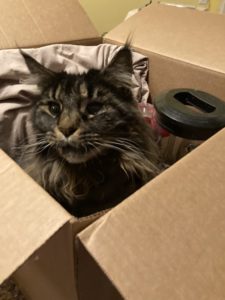
I am moving into a new home and I am concerned about how the process of moving will affect The Feline Purrspective team. As things are getting boxed up, some of my cats were more clingy; my ex-feral cat seemed edgy and paced more. I decided to give the Calming Care supplement a try. So far, the kitties do seem calmer after about a week on the supplement, although, maybe they are just getting used to the moving boxes!cat in moving box

Want to keep up with the world of cats? Subscribe to The Feline Purrspective!

Subscribe

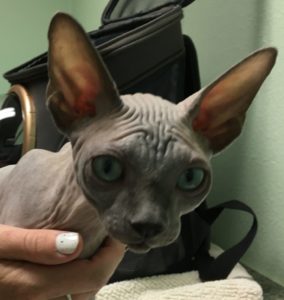
Sphynx cat
Some consider Sphynx cats to be “hypoallergenic”.

Did you know that about 1 in 3 people in the United States are allergic to cats and dogs? Those of us who are mildly “allergic” are familiar with the sneezing and runny nose that may come with handling our pets. More severe reactions may include signs of asthma, such as wheezing and difficulty breathing.

What makes us allergic to cats?


A protein called Fel d1 is the primary allergen in cats, accounting for about 95% of the allergy responses in adults sensitive to cats.  Fel d1 is mainly produced in the cat’s salivary and sebaceous glands and is spread through the cat’s fur as he grooms. As he sheds fur and skin (dander), Fel d1 is distributed throughout your home.  Breathing in dander or having contact with it can trigger an allergic reaction in a sensitive person.

Fel d1 is light, easily airborne and can be found just about everywhere, even in pet-free homes and institutions such as schools. Usually these levels are low and do not impact people in general.

Reducing Fel d1 in your home


Being allergic to cats does not always mean you have to re-home your feline friend. What you need to do is reduce the amount of Fel d1 in your home. Here are some things you can do:

  • Fur tends to “stick” more to fabrics – vacuum upholstery and carpets frequently.
  • Consider switching out carpet for hardwood or vinyl floors.
  • Use covers that you can launder on sofas and upholstered chairs.
  • HEPA air filters and HEPA vacuum filters can also help.
  • Clean regularly and frequently.
  • Open the windows when you can.

What about bathing my cat?


Bathing your cat does reduce the amount of Fel d1. Researchers do not agree on how long the beneficial effects last – one study found that washing cats significantly reduced the airborne amount of allergen but the levels of Fel d1 returned to pre-wash levels within the week. Many cats do not like to be bathed – a weekly bath may become a weekly battle.

Purina has developed a waterless shampoo for reducing Fel d1 which does not require immersing the cat in a tub or hosing her down. This may be easier to use if you want to try bathing your cat. The shampoo is said to reduce allergens 33% in 24 hours .

Chickens and Eggs – can they keep us from being allergic to cats?


Chickens produce antibodies against environmental antigens that they can transfer into their eggs and give their chicks immunity against these antigens. Researchers at Nestle-Purina were able to develop an “anti-Fel d1” antibody by exposing hens to Fel d1. This “ anti-Fel d1” reduces the amount of active Fel d1 in the cat’s saliva when the cat eats food containing the “anti- Fel d1” egg product. Purina “Live Clear” is now commercially available after 10 years of research and studies. It has been shown to reduce active Fel d1 by an average of 47% after 3 weeks of feeding.

“Hypoallergenic” cats


All cats produce Fel d1 – some produce more than others. Intact male cats produce more Fel d1 than female cats and neutered and spayed cats.  Older cats may produce less Fel d1 than younger ones.

Some cat breeds are known for not producing much Fel d1. These cats typically do not shed much. It is thought that the reduction in the amount of hair reduces the amount of Fel d1 in the environment. On the other hand, these cats still groom and spread dander that has sebaceous secretions containing Fel d1.  Among breeds thought to produce less Fel d1 are:

  • Sphynx
  • Cornish and Devon Rex
  • Siberian cats (may have a genetic mutation that causes them to release less Fel d1)
  • Russian blue
  • Balinese
  • Peterbald
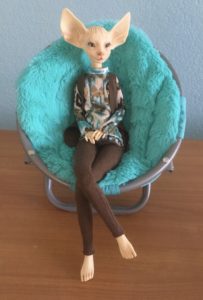
Sphynx cat doll
A doll based on a Sphynx cat!


What does the future hold for those of us  who are allergic to cats?


The Crisper Cat: A Virginia based company, Indoor Biotechnologies, is looking into removing the Fel d1 gene from cat cells in order to develop a truly “hypoallergenic” cat.

A Vaccine to Make Cats less Allergenic: Saiba Animal Health is developing a vaccine for cats that will induce “anti-Fel d1” antibodies to form in vaccinated cats.  These antibodies will bind Fel d1 and will effectively neutralize its allergenic effect on humans.

Want to keep up with the world of cats? Subscribe to The Feline Purrspective!

Subscribe


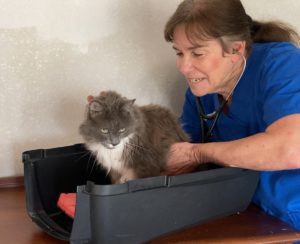
a cat is examined in her carrier
A cat is examined in a familiar place – the bottom of her carrier.

The other day a client brought her cat in for an exam and vaccines. This cat had been previously seen at the clinic and had been aggressive toward the veterinary staff and the owner. She had been prescribed gabapentin to reduce anxiety when coming in for vet visits. Gabapentin is bitter, so some cats will not eat it in food and may need to be given the pill.

The owner was unable to get her cat to eat the powder in food and brought the cat in unmedicated. This cat was in a soft carrier and was striking with her front paws at the carrier sides when approached. When cats are in a negative emotional state as was this cat, the two ways available to the veterinary professional to try change the emotional state are food and play. This cat was having neither.

A dilemma – proceed with the visit?


the veterinary staff


If we move forward, glove up and use thick towels, we can immobilize the cat and perhaps administer vaccines. Being in the soft carrier, she would be difficult to get out, but we could give the vaccine through the mesh sides, although there would be the risk if she wiggled loose a vaccine intended to go under the skin could end up in the muscle.

the cat’s point of view


When presented with a threatening scenario, a cat has three options: 1) flight 2) fight 3) freeze (learned helplessness).
The cat in question was in a carrier in an exam room so flight was out of the question. She decided to fight, which she was ready to do,  striking at the carrier sides when the owner or veterinary staff approached.

Imagine being snugly enveloped by towels, you can’t see what’s going on nor can you move. Some cats will continue to thrash, kick, and bite; other cats will give up at some point. The exam may be very brief, perhaps just measuring the heart rate through the towel. Whether the cat continues to fight or gives up, the experience is negative. If the cat perceives that fighting is successful – after all, she goes home after the struggle –  she may fight even harder on the next visit. The cat will stick with a strategy she thinks works.

the stress of the vet visit


So many owners are stressed about how their cat is treated at the vet clinic, they try to avoid bringing the cat in until it is absolutely necessary. Sometimes, to the cat’s detriment, health conditions have worsened by the time the cat receives medical care.

owner’s stress


  • The cat hides under the bed when the carrier comes out.
  • The cat has to be “dragged” out from under the bed.
  • The cat does not want to go into the carrier.
  • The cat cries constantly on the way to the vet.
  • The owner anticipates that the cat will be difficult and sedation will increase the cost of the visit.

the cat’s stress


  • You are placed in a box that you associate with fear and anxiety.
  • Your box (with you in it!) is placed in a larger box that moves and smells funny.
  • You are frightened, may be nauseated, or may soil yourself.
  • The vet clinic smells of other frightened animals.
  • You are handled by strange humans.

Each time “heavy restraint” is used, a cat often becomes increasingly aggressive, until the exam and treatments have to be done under anesthesia.

Cat friendly handling – breaking the cycle


Cat friendly handling is geared toward following the CAT handling guidelines.

  • Give the cat as much choice and control as possible.
  • Pay attention  to the cat’s body language and tailor the handling to the individual cat.
  • Touch the cat where he prefers to be touched.
  • Positive Reinforement: Make unpleasant procedures (vaccines, sample collection) worthwhile to the cat, offering food or head rubs.

Low Stress vet visits require that the veterinary staff and cat owner work together as a team.  Cat friendly handling begins at home and continues when the cat and owner arrive at the vet clinic.

“A BETTER VET VISIT FOR YOUR CAT“


  1. Train your cat to comfortable in her carrier. Consider a carrier with a removable lid so that she can at least be examined in the safety of her “home away from home”.
  2. Desensitize your cat to riding in the car – take a drive around the block where you don’t end up at the vet.
  3. If the veterinary team recommends an anti-anxiety “cocktail”, figure out how your cat will take it. Consider training your cat to accept medication.
  4. If your cat has a favorite treat or food that he likes, consider picking up his food the night before for a morning appointment or in the morning for an afternoon appointment. Bring the treats along and offer them to the staff to feed kitty during his exam or procedures.
  5. Choose a Cat Friendly Practice where the staff have had some training in cat friendly handling.

What happened with the cat we talked about earlier?


The owner felt that a cat-only practice made her cat more reactive. We elected not to proceed with the exam and suggested the owner find a clinic that was a better fit. We can only hope that the cycle of aggression will be broken.

Like taking a toddler to the doctor, the vet visit can be scary for your cat. Cat friendly handling can make the visit less stressful for both you and your cat!

Want to keep up with the world of cats? Subscribe to The Feline Purrspective!

Subscribe